
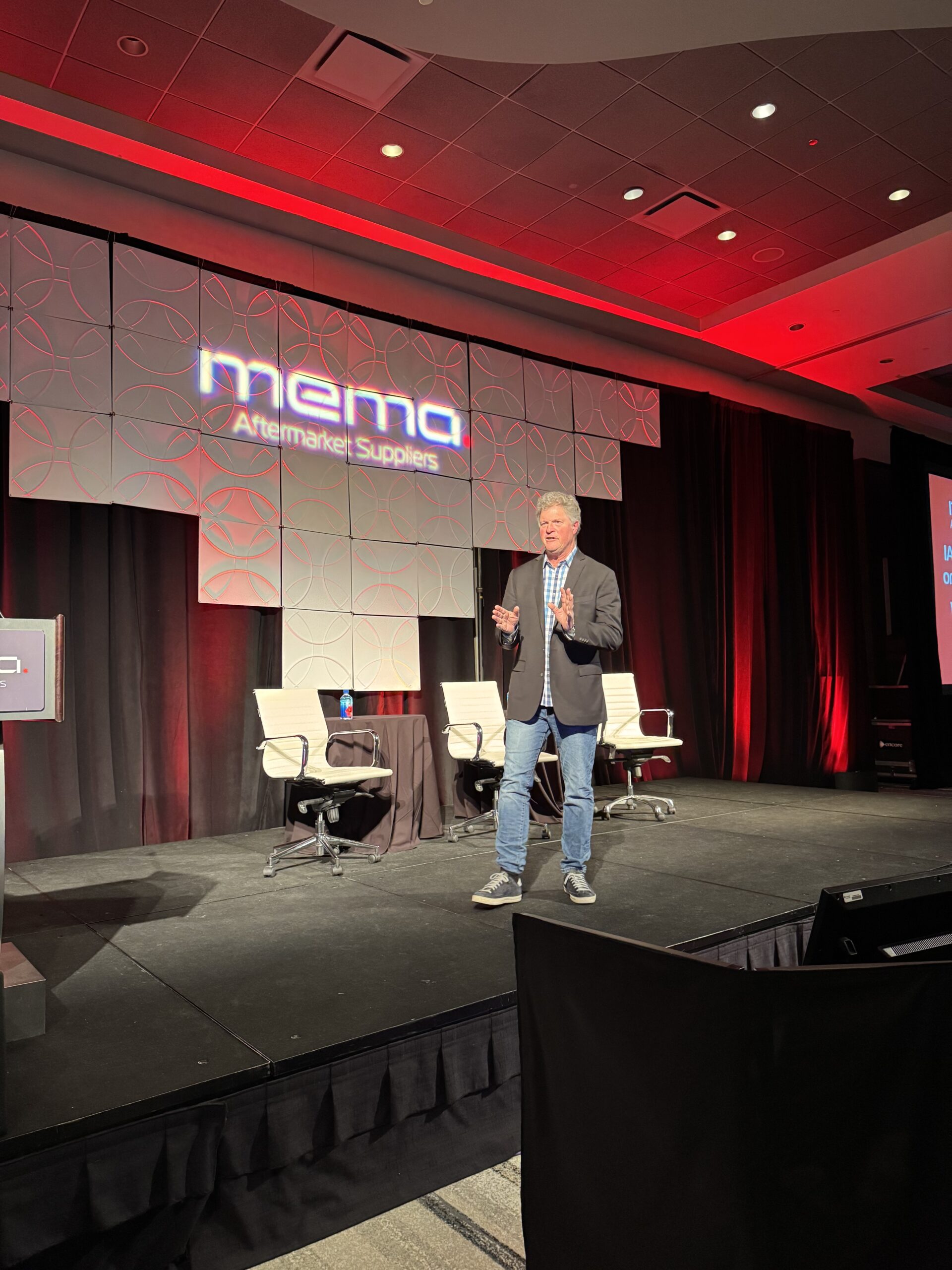

The following interview was conducted by I Need a Speaker.
In the buttoned-up world of corporate presentations, laughter is often the last thing on everyone’s mind. Yet according to Greg Schwem, The Corporate Comedian, injecting well-crafted humor into business settings isn’t just permissible—it’s powerful. Schwem has built his career proving that strategic humor can transform mundane meetings into memorable experiences. In this interview with I Need A Speaker, Schwem dismantles common misconceptions about comedy in corporate environments, while revealing how laughter can serve as both the spoonful of sugar and the medicine itself for companies seeking to engage their audiences in meaningful ways.
INAS: What’s the biggest misconception people have about incorporating humor into professional presentations?
GS: That the presentation is going to be demeaning, and belittle the topic, the organization and the audience. On the contrary…humor can be incredibly memorable and useful in making a point or reinforcing a belief or a concept.
INAS: When is humor inappropriate in a professional setting, and how can speakers recognize those boundaries?
GS: I don’t believe humor is ever “inappropriate.” I always am perplexed when companies say, “Sorry Greg but it’s just not a good time for us to be laughing now.” When is it NOT a good time to be laughing? However, I don’t believe it is appropriate to try and make jokes about sensitive subjects. For example, if a company has just laid off 20 percent of its workforce, it’s probably not a good idea to bust out a bunch of unemployment jokes.
A dose of corporate humor loosens up the toughest audiences
INAS: Can you share a specific example of how you’ve seen humor transform an otherwise dry presentation?
GS: I was once hired by the Alliance Against Intoxicated Motorists to speak following a luncheon and recognition of a few police officers who specialized in arresting DUI subjects. Many audience members had tragically been affected by DUI; some had lost loved ones. I could tell many did not feel a comedian was an appropriate choice. I began my presentation by acknowledging this and then addressing those who had lost a friend or a relative to DUI. “Do you think they would want you to stop laughing? To never experience happiness again?” I could see audience members nodding in agreement. From then on, the discomfort in the room ended and I had an amazing show.
INAS: What’s your process for tailoring your comedy style to different corporate audiences and industries?
GS: I set up a Zoom call with my clients and also send out a questionnaire prior to the presentation. I want them to feel like they are a part of my creative process. I am not asking them to write my material for me; rather I want to know what topics the audience might think are funny and, more importantly, what topics are NOT funny.
INAS: How should speakers recover when a joke falls flat during a presentation?
GS: Do not draw attention to it because it shows nervousness and lack of confidence. In other words, don’t say something like, “Hey I’m not a comedian. What did you expect?” However, a funny line after a moment of silence from an audience can right the ship immediately. My “go to” line when a joke falls flat is, “Okay, that was a new joke and I REALLY appreciate your feedback.”
Everyone remembers the funny speaker
INAS: What specific benefits have you seen companies gain from hiring a professional comedian for their events?
GS: Humor is memorable..plain and simple. Also, it’s unexpected. Audience members at corporate events don’t expect to laugh so when they do hear a presentation that makes them laugh, they remember it. Also, many have a new appreciation for their employer. I want people to leave my presentations thinking, “This is a cool place to work because they hired THAT guy!”
INAS: How do you balance getting laughs with delivering substantive content and messaging?
GS: I incorporate PowerPoint into my presentations. It allows me to include screenshots from a company’s website and personalizes the presentation more. I can reference a company video or a product and then add some humorous content that is built around that image or video.
INAS: How has the role of humor in business presentations evolved throughout your career, and where do you see it heading?
GS: Obviously event planners are more cautious about including a corporate humor speaker, or humor in general. They worry about offending audience members or hiring somebody who they later deem “politically incorrect.” But they are also realizing that attendees want more than just sitting in a ballroom listening to speakers drone on behind a podium. They want EXPERIENCES. Humor at a corporate event is an experience.
As workplace cultures continue evolving and attention spans grow increasingly fragmented, humor remains a timeless tool for cutting through the corporate noise. Schwem states that authentic, thoughtful humor creates connections that pie charts and bullet points alone cannot. Whether you’re presenting quarterly results or leading a team training, remember that laughter isn’t just a momentary diversion—it’s a powerful catalyst for memory, engagement, and human connection.


The F-Bomb Has Gone Mainstream — And Nobody Cares Anymore